

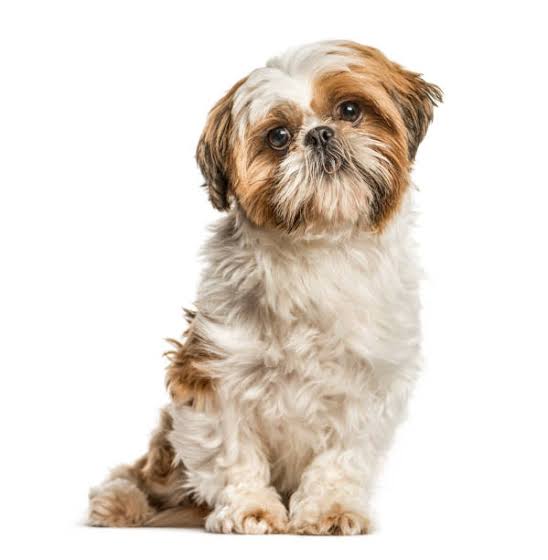
Compact, yet slightly longer than they are tall, the Shih Tzu hides a sturdy body beneath their mantle of luxurious hair. They have a smooth, effortless stride with good reach and drive. Their expression is often warm, sweet, and wideeyed, imparting the impression of trust and friendliness. Their long, dense coat is double and fairly straight
Although it’s been centuries since dogs became domesticated, recent DNA studies have brought to light which of the recognized breeds are the most closely related to wolves and their ancestors. The study included 414 dogs from 85 different breeds and the results might surprise you.
Although this breed looks nothing similar to wolves and other wild canids, the Shih Tzu is genetically one of the domestic breeds most closely related to wolves. It is thought that this companion breed originated in China around 800 BC.
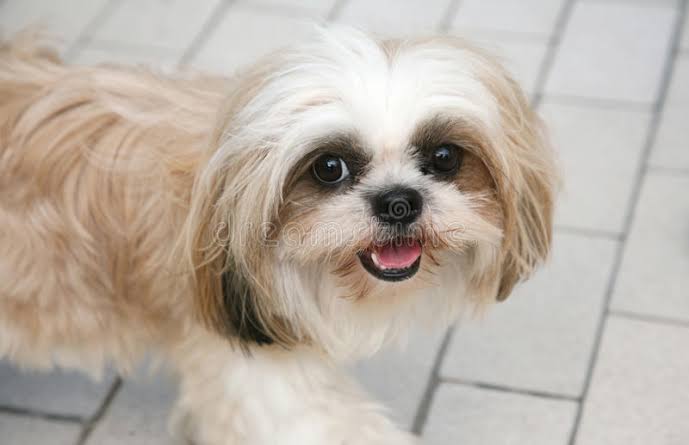
The Shih Tzu (or more properly, Shih Tzu Kou) means Lion Dog, designating the breed as one of the most esteemed animals in China because of its association with Buddhism. Even though the Shih Tzu is most often associated with China, they probably originated in Tibet as early as the seventeenth century, where they enjoyed status as a holy dog.
The Shih Tzu as they are known today developed most distinctively in China during the reign of the Dowager Empress Cixi (Tz’u-shi, 1861–1908). The Shih Tzu and Pekingese share similar histories; however, the Shih Tzu can usually be differentiated from the Pekingese in Chinese art by the presence of bumps on the tops of their head, denoting a topknot, or pien-ji. The Shih Tzu was a favored house pet during the Ming dynasty and was highly prized by the royal family.
When the British looted the Imperial Palace, most of the dogs were lost, and the breed suffered a great setback. The Shih Tzu was first exhibited in China as the Lhassa Terrier or Tibetan Poodle. In 1935, they were exhibited as the Lhassa Lion Dog; by that time, they were becoming very popular.
The spunky but sweet Shih Tzu can be both a gentle lapdog and a vivacious companion. They have an upbeat attitude and love to play and romp. They are affectionate to their family and often good with children. They can be surprisingly tough and may have a stubborn streak.
Despite their small size, Shih Tzus need daily exercise. Because of their small size, they can meet their requirements with vigorous indoor games or with short walks on leash. They do not do well in hot humid weather. Their luxurious coat needs brushing or combing every other day. They may need professional grooming.
Thanks for reading! Please follow us on Facebook.
https://www.facebook.com/GI-Takara-Kennel-103533685067204/
 G.I. Takara Kennel Blog