

Some foods that are considered good for people can be very dangerous for pets. The list below highlights some of the most common foods that can be dangerous to animals. This is not an exhaustive list, and any decision to provide your pet with food not specifically intended for animals should be discussed with your veterinarian or pet nutritionist.
Chocolate
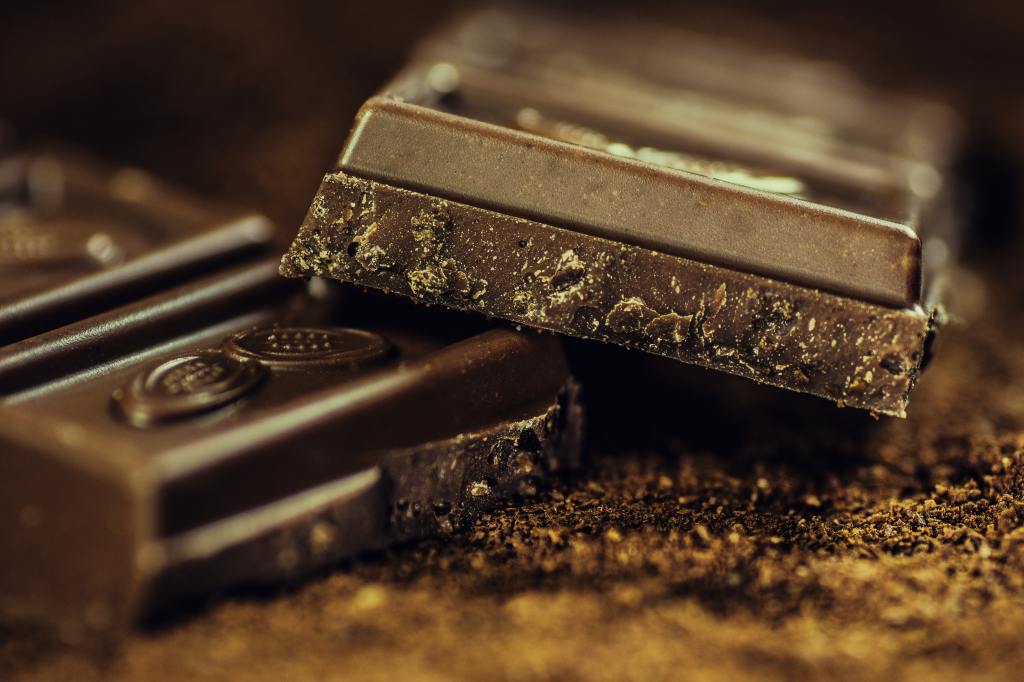
Dogs love the flavor of chocolate, but chocolate in sufficient doses is lethally toxic to dogs (and horses and possibly cats).
Chocolate contains theobromine, a chemical stimulant that, together with caffeine and theophylline, belongs to the group of methylxanthine alkaloids. Dogs are unable to metabolize theobromine effectively. If they eat chocolate, the theobromine can remain in their bloodstreams for up to 20 hours, and these animals may experience fast heart rate, hallucinations, severe diarrhea, epileptic seizures, heart attacks, internal bleeding, and eventually death.
A chocolate candy bar can be sufficient to make a small dog extremely ill or even kill it.
Approximately thirty grams of baking chocolate per kilogram (1/2 ounce per pound) of body weight is enough to be poisonous.
In case of accidental intake of chocolate by especially a smaller dog, contact a veterinarian or animal poison control immediately; it is commonly recommended to induce vomiting within two hours of ingestion. Large breeds are less susceptible to chocolate poisoning, but still are far less tolerant of the substance than humans are.
Grapes and Raisins
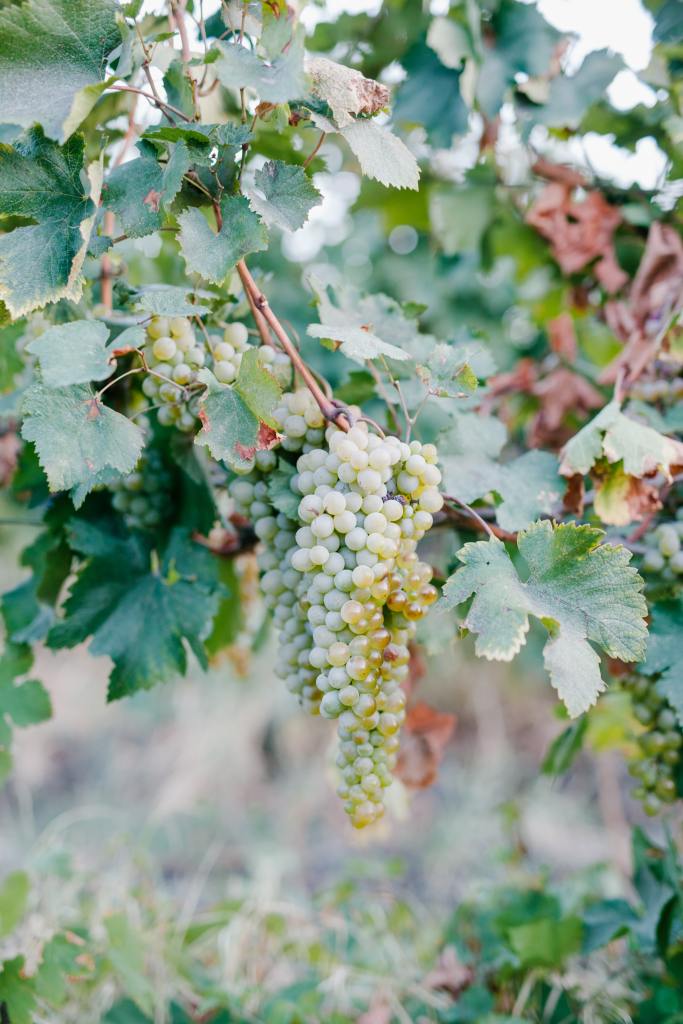

It has recently been confirmed that grapes and raisins can cause acute renal failure in dogs. The exact mechanism is not known, nor any means to determine the susceptibility of an individual dog. While as little as one raisin can be fatal to a susceptible ten pound dog, many other dogs have eaten as much as a pound of grapes or raisins at a time without ill effects. The dog usually vomits a few hours after consumption and begins showing signs of renal failure three to five days later.
Onions and Garlic
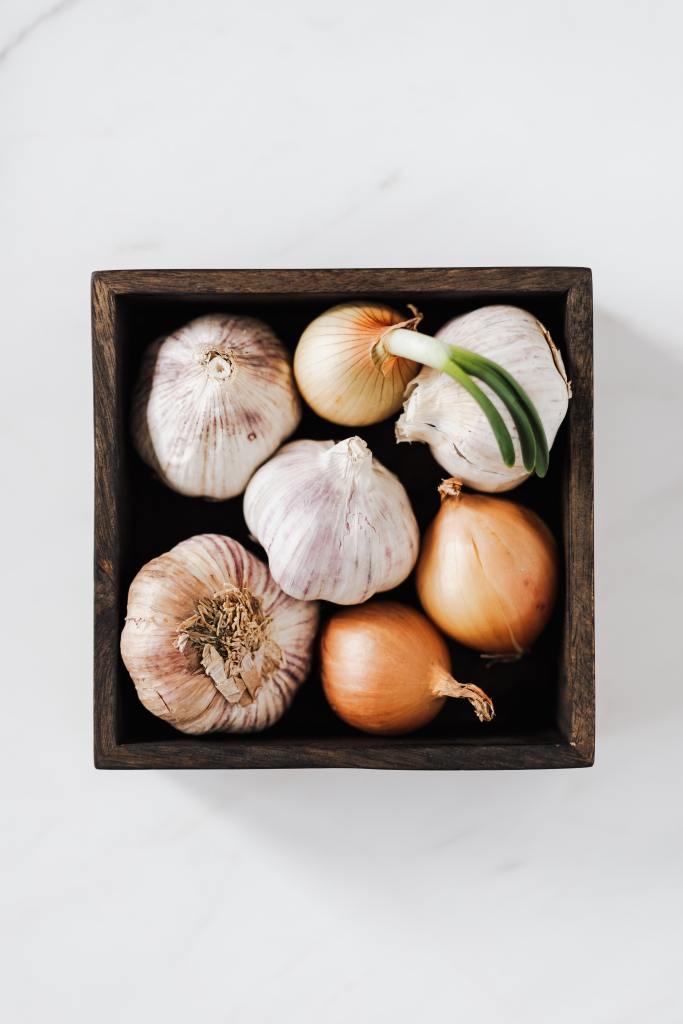
Onions and to a significantly lesser extent garlic contain thiosulfate which causes hemolytic anemia in dogs (and cats). Thiosulfate levels are not affected by cooking or processing. Small puppies have died of hemolytic anemia after being fed baby food containing onion powder.
Occasional exposure to small amounts is usually not a problem, but continuous exposure to even small amounts can be a serious threat.
Hops

Hops, the plant used to make common beer, can cause malignant hyperthermia in dogs, usually with fatal results. Certain breeds, such as Greyhounds, seem particularly sensitive to hop toxicity, but hops should be kept away from all dogs. Even small amounts of hops can trigger a potentially deadly reaction, even if the hops are “spent” after use in brewing.
Xylitol

Candy, gum, toothpaste, baked goods, and some diet foods are sweetened with xylitol. It can cause your dog’s blood sugar to drop and can also cause liver failure. Early symptoms include vomiting, lethargy, and coordination problems. Eventually, your dog may have seizures. Liver failure can happen within just a few days.
Avocado

Avocados have something called persin. It’s fine for people who aren’t allergic to it. But too much might cause vomiting or diarrhea in dogs. If you grow avocados at home, keep your dog away from the plants. Persin is in the leaves, seed, and bark, as well as the fruit. Also, the avocado seed can become stuck in the intestines or stomach, and obstruction could be fatal.
Alcoholic Beverages

Alcohol has the same effect on a dog’s liver and brain that it has on people. But it takes a lot less to hurt your dog. Just a little beer, liquor, wine, or food with alcohol can be bad. It can cause vomiting, diarrhea, coordination problems, breathing problems, coma, even death. And the smaller your dog, the worse it can be.
Coffee and Tea
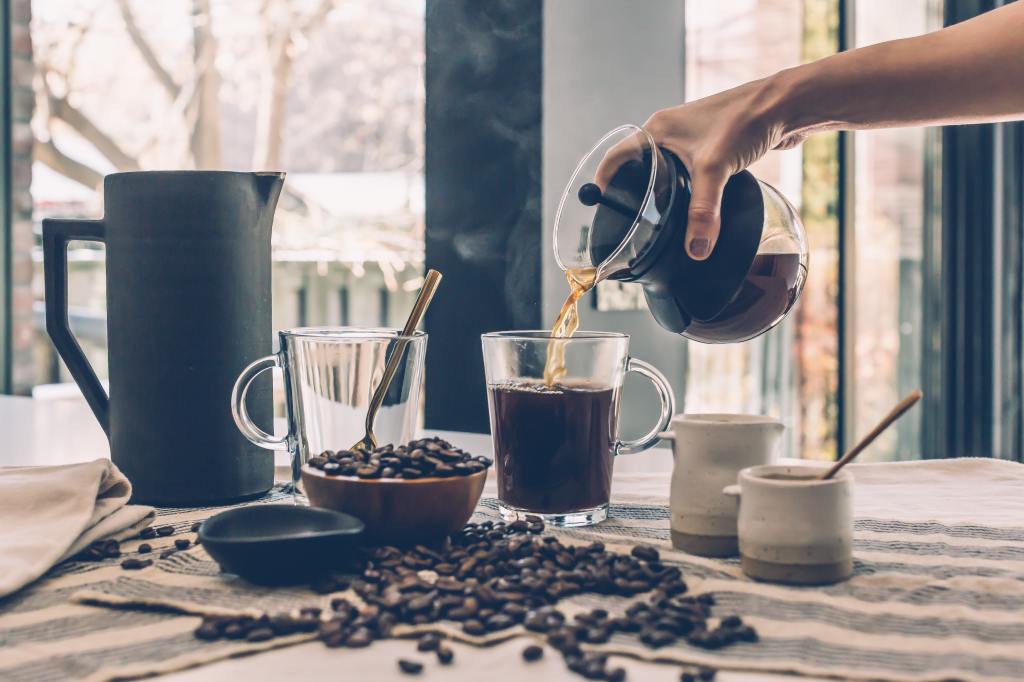
Give your dog toys if you want them to be perky. Caffeine can be fatal. Watch out for coffee and tea, even the beans and the grounds. Keep your dog away from cocoa, chocolate, colas, and energy drinks. Caffeine is also in some cold medicines and pain killers. Think your dog had caffeine? Get your dog to the vet as soon as possible.
*We have a neighbor whose pet dogs that they really loved so much often died in their care, and they don’t know why. I heard the owner once talking to a friend bragging how much their family love their dog that they even give the poor dog a coffee and bread every morning.. Thats it.
Fat Trimmings and Bones
Fat trimmed from meat, both cooked and uncooked, can cause pancreatitis in dogs. And, even though it seems natural to give a dog a bone, they can choke on it. Bones can also splinter and block or cause cuts in your dog’s digestive system.
Yeast Dough

Before it’s baked, bread dough needs to rise. And, that’s exactly what it would do in your dog’s stomach if they ate it. As it swells inside, the dough can stretch your dog’s abdomen and cause a lot of pain. Also, when the yeast ferments the dough to make it rise, it makes alcohol that can lead to alcohol poisoning.
Human Medicine

Dogs shouldn’t take people medicine. It can make them very sick. Just as you do for your kids, keep all medicines out of your dog’s reach. And, never give your dog any over-the-counter medicine unless your vet tells you to. Ingredients such as acetaminophen or ibuprofen are common in pain relievers and cold medicine. And, they can be deadly for your dog.
No matter how careful you are, your dog might find and swallow something they shouldn’t. Keep the number of your local vet and the closest emergency clinic.
 G.I. Takara Kennel Blog